

Major employers—including Amazon, JPMorgan Chase, Goldman Sachs, Dell, AT&T, The Washington Post, Walmart and Morgan Stanley—have adopted stricter in-office or relocation-based policies over the past several years. Yet the move does not come without legal risk. Return-to-office mandates can implicate anti-discrimination laws if not executed thoughtfully. As a result, corporate leadership and in-house counsel should carefully integrate this concern into their strategic planning.
Can Employers Require Employees to Return to the Office?
Employers generally have the right to require employees to return to the office and may have valid business reasons for doing so. Many employers cite improved collaboration, mentorship, productivity, workplace culture, and client service resulting from increased in-office attendance. However, a return-to-office mandate does not eliminate an employer’s obligation to comply with disability, religious accommodation, anti-discrimination, retaliation, wage and hour, or other state law requirements.
What If an Employee Requests Remote Work as an Accommodation?
Employers have a variety of obligations with respect to remote work accommodation requests. One of the most common issues involves disability accommodation. Under the Americans with Disabilities Act, and similar state laws such as the Illinois Human Rights Act, employers are required to provide reasonable accommodations to employees with qualified disabilities. Remote work may be one such accommodation. The EEOC has explained that telework may be a reasonable accommodation depending on the employee’s limitations, the job’s essential functions, and the employer’s circumstances.
But a duty to accommodate does not mean every employee who prefers remote work will get to enjoy it. Some jobs require in-person attendance due to essential duties, equipment access, customer interaction, confidentiality, supervision, or other legitimate business needs. That said, employers should be cautious about inflexible policies. If an employee requests remote work due to a disability, the employer may need to engage in the interactive process and consider whether remote work, or another accommodation, is reasonable.
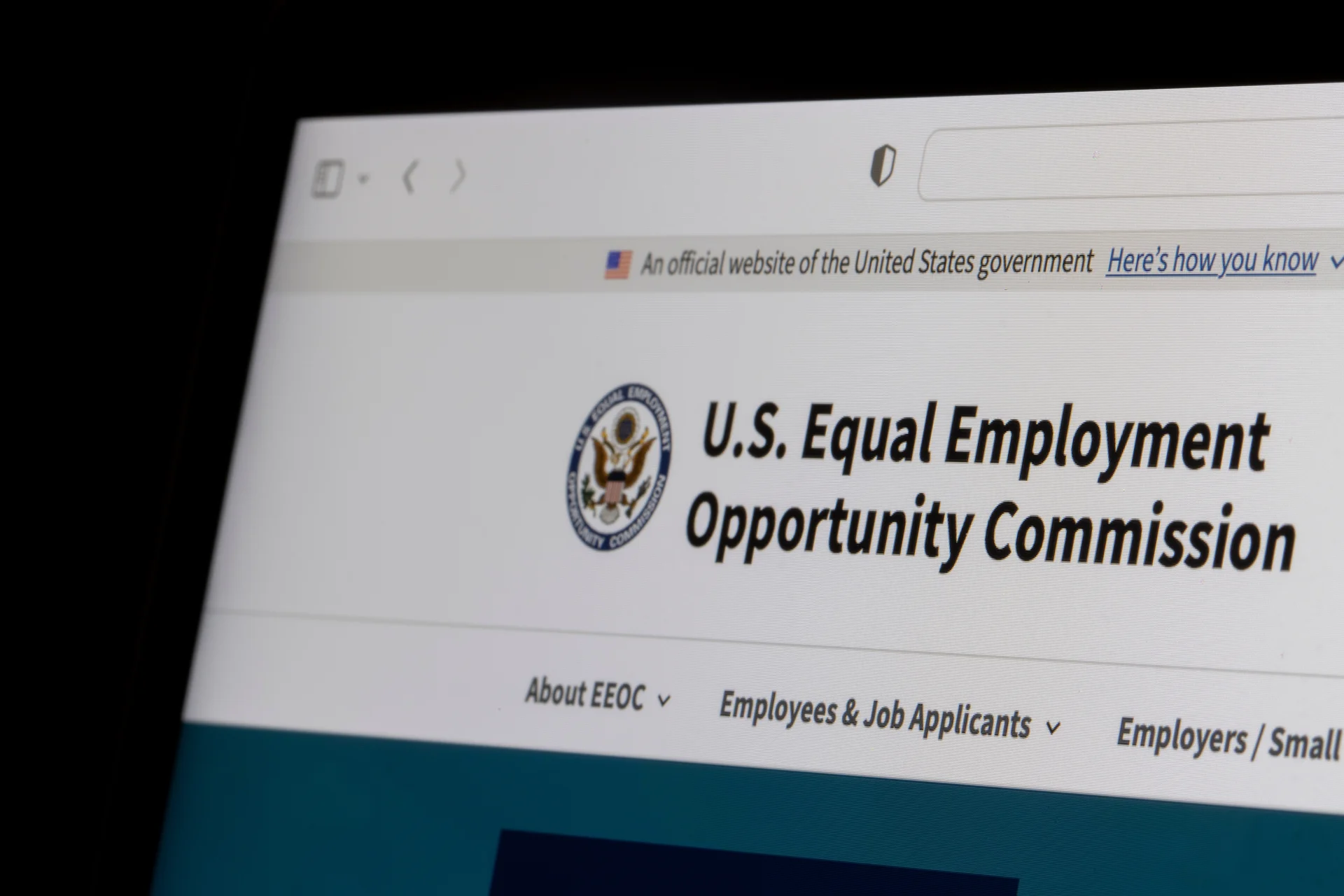
Recent EEOC settlements highlight the risk for employers if they fail to provide reasonable accommodations for employees with disabilities. Last year, Sanmina Corporation agreed to settle an EEOC lawsuit alleging that it violated the ADA after an employee requested continued remote work following a return-to-office mandate. The employee had osteoarthritis that made crossing the company’s large parking lot difficult. Rather than granting the employee an individual accommodation to remain remote, the company fired her when she could not return to the office. As an EEOC attorney explained after the parties reached settlement, “The ADA prohibits firing an employee because of a disability or the need for a reasonable accommodation. Employers cannot avoid the obligation to provide a reasonable accommodation by terminating an employee.”
Can These Policies Create Discrimination Claims?
Return-to-office policies can create discrimination risks if applied unevenly or based on assumptions. For instance, an employer may face liability if it assumes that mothers of young children are less committed to returning to the office, or that employees with caregiving responsibilities should not receive certain opportunities that other employees receive. Illinois employers should be especially aware of this issue because Illinois has expanded protections relating to family responsibilities.
Legal risk often arises not because return-to-office policies are poorly drafted, but because they are poorly implemented. HR teams should ensure that managers responsible for overseeing the staff’s return are doing so in a way that is equitable and compliant. Targeted training for managers and other leaders is a wise idea, especially during a time of transition.
Employers Should Proceed Carefully
Return-to-office disputes are occurring as disability accommodation claims continue to rise. Employers do not need to abandon return-to-office requirements. But they should review accommodation requests individually, apply exceptions consistently, and document their reasoning.