
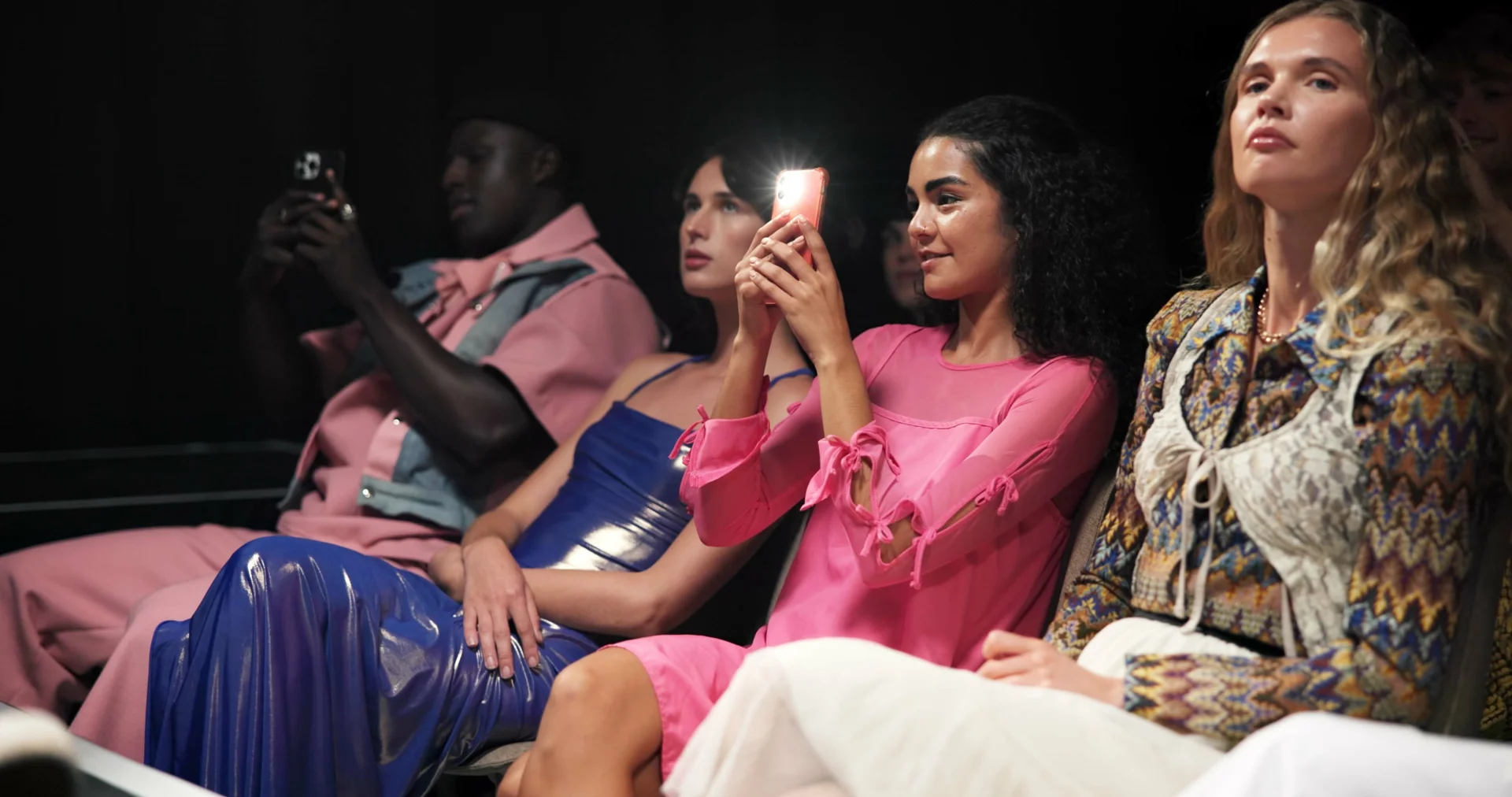
Chicago Fashion Week is here, and for content creators and brands that means opportunity: runway coverage, styling reels, event appearances, sponsored "get ready with me" videos, and brand activations. Many of these deals happen fast, sometimes through a few DMs, a brief email exchange, or a one-page agreement sent the night before a show.
That speed is exactly why creators need to slow down long enough to understand what they are agreeing to. A "quick collab" is nevertheless a contract, and the terms you accept today can affect your income, your content, and your future brand partnerships for upcoming years. Below are key contract terms every creator should look for before posting and that every brand should consider before sending an offer.
Get It in Writing, Even If It Feels Informal
Many creators assume that if there's no formal signed agreement, there's no contract. That's not necessarily true. An exchange of messages that sets out the work, the payment, and an acceptance can be legally binding. The problem with informal deals isn't that they don't count; it's that their terms are often vague, leaving room for disputes over what was promised.
If you are a creator based in Illinois, you may enjoy additional protections. Under the Illinois Freelance Worker Protection Act, many freelancers are entitled to a written contract and timely payment for qualifying work. If a brand won't send a written agreement, send a short email summarizing the deal terms and ask them to confirm. A paper trail is your best friend.
Scope of Work: Know Exactly What You're Delivering
Vague deliverables are one of the most common sources of creator-brand disputes. Your agreement should clearly state key provisions:
- What you're creating (e.g., one Instagram reel, three stories, one TikTok)
- Where it will be posted, and for how long it must stay up
- When each piece of content is due or must go live
- How many rounds of revisions the brand is allowed
- Whether the brand must approve content before it's posted, and how quickly it must respond
Without these limits, "one post" can quickly turn into reshoots, extra social stories, and last-minute changes, with no additional pay.
Payment Terms: Beyond the Number
The fee matters, but so do the details surrounding it. Pay attention to the following:
- Structure: Is it a flat fee, a commission, an affiliate arrangement, or some combination?
- Timing: Will you be paid upon signing, upon delivery, or a certain number of days after posting? Is there a deposit?
- Gifted product: Understand that if you are “paid” in gifted clothing or accessories, there may be tax implications on the items, possibly making the exchange an unfair substitute for cash compensation.
- Kill fees: If the brand cancels after you've prepared or shot content, will you still be paid?
- Late payment: Are there consequences if the brand pays late?
Usage Rights: Who Can Use Your Content and for How Long?
This is one of the most valuable, and most overlooked, parts of any creator deal. Look closely at:
- Ownership vs. license: Are you keeping ownership and granting the brand a license, or are you transferring ownership entirely?
- Duration: Can the brand use your content for 30 days, one year, or "in perpetuity"?
- Paid media and whitelisting: Can the brand run your content as a paid ad, or run ads through your account? This typically warrants additional compensation.
- Repurposing: Can the brand use your content on its website, in email campaigns, in print, or in-store?
- Your name and likeness: Can the brand use your name, image, or voice beyond the specific content you created?
A Fashion Week Reel can stay valuable long after the event. Make sure the price reflects how the brand intends to use it.
Exclusivity: What Are You Giving Up?
Brands often ask for exclusivity, for example, an agreement not to work with competing fashion or beauty brands for a set period. Before agreeing, ask:
- How broadly is the "category" or "competitor" defined?
- How long does the exclusivity last: just Fashion Week or for months afterward?
- Are you being paid enough to justify turning down other opportunities?
- Does it conflict with any deals you already have?
Exclusivity has real economic value. If you're giving it up, it should be priced accordingly.
Morals Clauses and Termination
Many brand agreements include a "morals clause," allowing the brand to terminate the deal if the creator engages in conduct that could harm the brand's reputation. These clauses can be broad and subjective. Pay attention to these issues:
- What conduct triggers termination, and who decides?
- Can either party terminate for convenience or only for cause?
- Is there notice and an opportunity to fix a problem before termination?
- Will you be paid for work already completed if the deal ends early?
- Does the brand have to stop using your content after termination?
Compliance: Disclosures and Brand Claims
The Federal Trade Commission's Endorsement Guides require creators to clearly disclose any material connection to a brand. That includes payment, free products, or another relationship. Your contract may also spell out the exact disclosure language or hashtags you need to use.
You should also watch for terms that make you responsible for claims about the product. If a brand provides talking points (say, that a fabric is "sustainable" or a product is "cruelty-free"), the contract should make clear that the brand stands behind those claims.
Indemnification and Liability
Indemnification clauses determine who pays if something goes wrong, like a third party suing over your content. Many brand contracts make the creator cover the brand for almost anything but give the creator no protection in return.
Ideally, an indemnification clause should work both ways, and each side covers its own actions. You’re responsible for the original content you create. The brand is responsible for its products, claims, and materials it supplies. If your business is growing, it may also be worth looking into insurance.
Indemnification should be mutual and tied to each party's own conduct: you're responsible for your original content, and the brand is responsible for its products, claims, and materials it supplies. Creators with growing businesses may also want to consider whether insurance makes sense.
Dispute Resolution: Where and How Disagreements Get Resolved
Finally, check the fine print at the end of the contract:
- Governing law: A brand based in another state may choose its home state's law instead of Illinois law. This can matter because state laws differ, and you may be less familiar with the rules that would apply to you.
- Arbitration: Are you giving up the right to go to court? An arbitration clause means if you and the brand have a dispute, a private arbitrator decides the outcome instead of a judge or jury. By signing, you usually give up your right to take the brand to court.
- Attorney’s fees: Does the losing party pay the winner's legal fees? Make sure to understand and potentially negotiate this point if needed.
These terms can make the difference between a dispute that's worth pursuing and one that isn't.
Clear Contracts Build Better Brand Partnerships
Well-drafted creator agreements reduce the risk of disputes, help ensure FTC compliance, protect brand IP, and set expectations that lead to better content. Brands benefit from clear contracts too. If your company works with Chicago-area creators, during Fashion Week or year-round, it's worth making sure your templates comply with Illinois law and reflect current best practices.